Lollipop Font: A Sweet Choice for Playful Designs
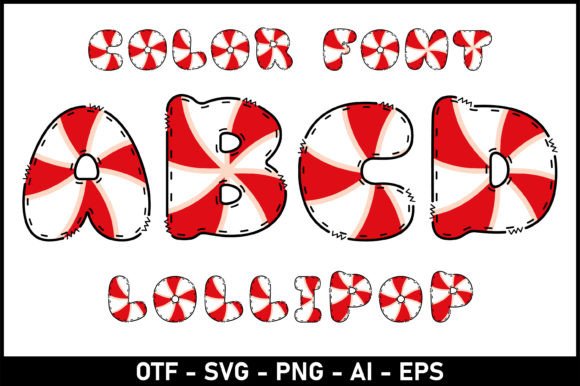
Imagine a font that instantly brings a smile, evoking the whimsy of childhood treats and the boldness of handcrafted art. That’s the charm of Lollipop Font, a premium display typeface designed to inject personality and energy into creative projects. Its playful curves and vibrant character make it a standout choice for designs that aim to be memorable and engaging.
Fonts like Lollipop are essential design assets when the goal is to convey a specific mood. As a creative font, it excels in projects that need a touch of fun, artistry, or approachability. Think of children’s books where the typography itself becomes part of the story, or posters that need to grab attention from across the room. Its versatility extends to greeting cards, party invitations, and branding for products that want to feel friendly and accessible.
Where to Use This Playful Typeface
The practical applications for a font like this are wide-ranging. Designers often turn to it for:
- Logo Design & Brand Identity: Creating a unique, memorable mark for a brand targeting a younger audience or promoting creative services.
- Packaging Design: Making product labels pop on shelves, especially for food, crafts, or children’s items.
- Social Media Graphics: Designing eye-catching posts, stories, and ads that stand out in a fast-scrolling feed.
- Poster & Invitation Design: Setting the tone for events, from birthday parties to community fairs, with a header that feels festive and custom.
- Editorial Layouts: Adding impactful pull quotes or section headings in magazines and blogs to break up text and add visual interest.
Tips for Choosing and Using Lollipop Font
Before you download, consider a few key points to ensure it’s the right fit for your project. First, always check the font’s readability at the size you intend to use it. While perfect for large headings and titles, a bold display font may not be suitable for long paragraphs of body text. Pairing it with a clean sans-serif or serif font can create a balanced and professional layout.
Next, review the available styles and weights. Does the font family include the variations you need? Also, pay close attention to the license. Confirm that the commercial font license covers your intended use, whether it’s for personal projects, client work, or merchandise. A quick review of the font guide provided by the foundry can save time and ensure proper usage.
For those using cutting machines, compatibility is key. The standard black version of this typeface works seamlessly with Cricut Design Space and similar software. However, if you’re drawn to the color version, note that it’s designed for specific programs like Adobe Photoshop, Illustrator, Silhouette Studio, and Inkscape. The OTF or TTF files for the color variant are not compatible with Cricut, so plan your workflow accordingly.
Ultimately, selecting a well-crafted font is an investment in your project’s visual consistency and professional presentation. The right typeface helps tell your story, reinforces brand recognition, and makes your designs feel polished. By choosing a font that aligns with your creative vision, you lay a strong foundation for work that resonates and delights.